This article is about B-Movies, no not that weird one with the talking bee.
B-Movies can be defined in many ways, but I personally define it as a type of low-budget movie that is usually of questionable quality.
For the purposes of our discussion, I will only be talking about B-Movies from America, otherwise this article would be far too long.
Where did B-Movies come from?
Their birth can be traced back to the start of the film industry, around 100 years ago. Although they were not yet called B-Movies, major studios began to make additional films to take advantage of their already contracted actors and sets.
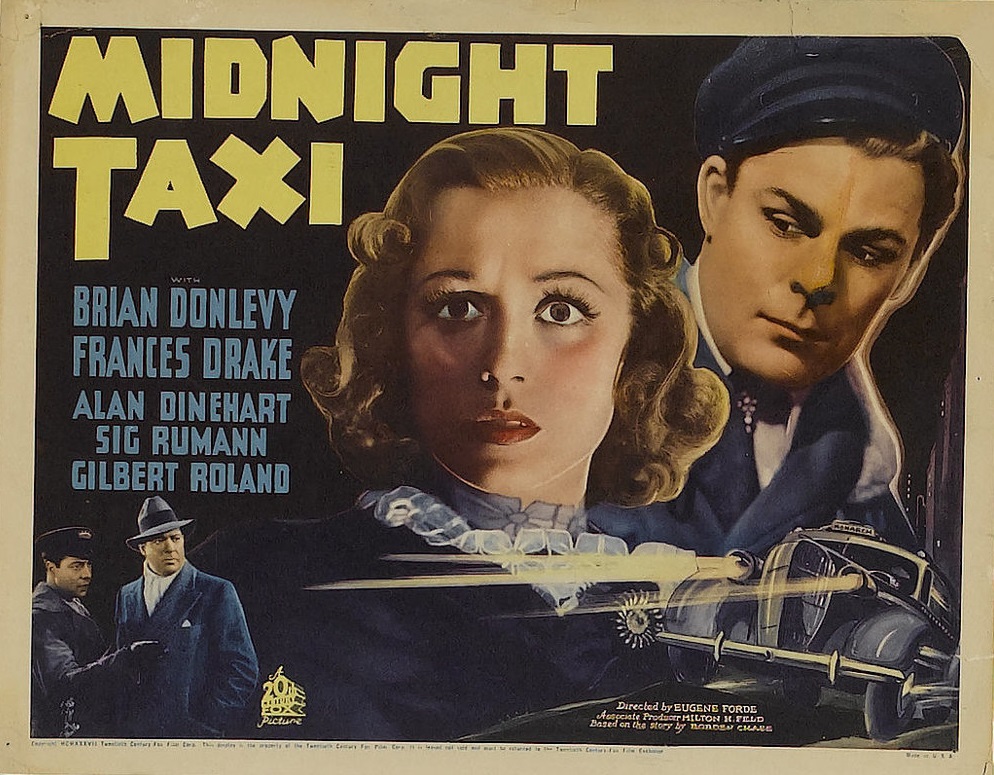
For some smaller studios, cheap films became their bread and butter. They were nicknamed ‘Poverty Row’ studios and they would make the cheapest films possible and exploit it for as much money as they could.
Going into the 1930s, major film studios began to realise the money-making potential of B-Movies by using the, now legally banned, technique of block booking. This was where if cinemas wished to buy the studios popular movies, they had to buy the less popular B-Movies as well.
This led to the creation of the double feature, where audiences bought one movie ticket to watch both. Because of this, studios didn’t have to make their B-Movies good in order to turn a profit, leading too little to no quality control. In fact, film historians think that 75% of the movies produced between 1930 and the 1970s were B-Movies.
This era came to a close around the 1940s as legal pressure meant that studios could no longer enforce block booking. Studios no longer had an incentive to keep making B-Movies, so this would all but kill the double feature.
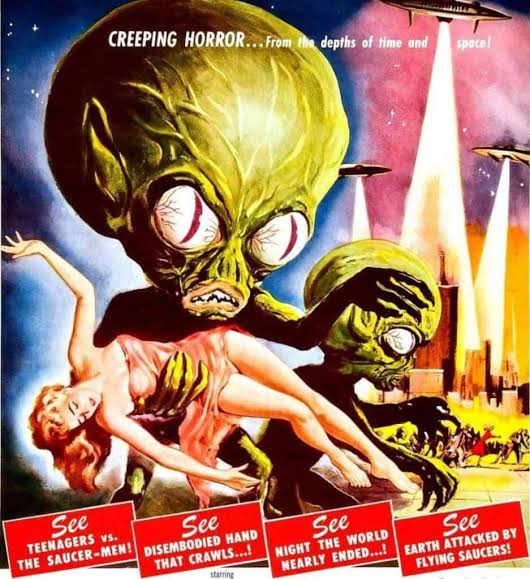
What did audiences think of B-Movies?
Audiences were mixed on double features. Many thought that it was an effective way to save money, although many were annoyed about sitting through B-movies they didn’t want to watch.
Transitioning into the 1960s, a new type of B-Movie emerged – the exploitation film.
Since the dawn of cinema, the Hays Code was a self-enforced censorship code that prohibited movies from showing anything deemed to be ‘inappropriate’ for the public. This led to decades of sanitised safe movies, so it left the audience with a hunger for more challenging films.
They would not have to wait for long, as the Hays Code’s grip became loosened in the 1950s, leading to a booming increase in vulgar films. These were called exploitation films.
Although, these types of risqué films were not shown in mainstream cinemas. Some people thought these films were bold and exciting, but others saw them as disgusting and dangerous.
This would all change in the 1970s. Many exploitation films became far more common to see in cinemas. These films often featured controversial topics at the time like racism or queerness.
This could be seen as a double-edged sword, on one hand representation over controversial topics is important, however the exploitative nature of these films may have led to some insensitive depictions.
What happened to B-Movies?
Some of you may be wondering, where are the exploitation films and B-Movies today? It all has to do with Jaws.
Jaws released in 1975 and created a new type of film – the blockbuster. In contrast to B-Movies, blockbusters have an extremely large budget and are incredibly profitable mainstream films.
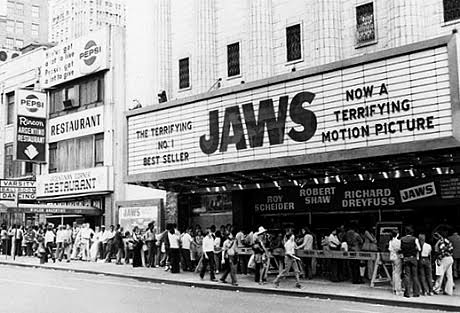
Major movie studios caught on to this, and blockbusters still remain a trend that continues to this day.
Public opinion remains mixed on B-Movies, whilst some see them as artistic pieces, that aren’t afraid to push boundaries, many people see B-Movies as slop just created to make money.
Nowadays, rising movie budgets meant that making B-Movies became less and less viable. This has resulted in the inevitable fall of B-Movies.
By Isabelle