Throughout all of our lives as students, we are plagued by exams – there is simply no avoiding them.
Whether it is GCSEs, A-Levels or other exams, the most efficient way to get through them is to learn how best to revise.
Luckily, I have created a list of the most optimal tips and tricks to help you ace your revision.
Revision Timetables
Before you begin your revision, it is important to have a revision timetable. A revision timetable helps to keep you organised and on track to revise all of your topics equally. It can also make your revision feel less daunting.
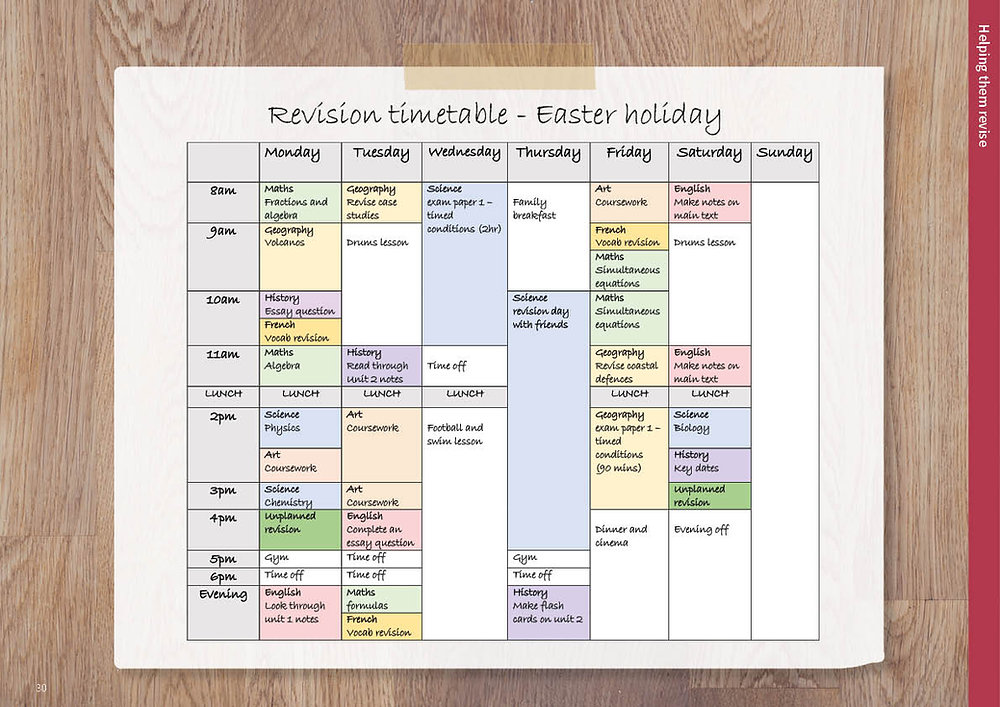
You should also remember to include regular breaks to avoid burnout and to keep your brain stimulated and sharp.
Bear in mind that some people work better at certain parts of the day and to not compare yourself to what other people are doing.
Relaxation
Leading on from revision timetables, the most important tip I can give is that you must give yourself adequate time to relax and unwind.
Allowing yourself to have a full 8 hours of sleep or eating a full meal can make a world of difference to your revision and exams. None of the other tips that I give will help unless you allow yourself time to take a break.
Revising Frequently
No matter the amount of revision you complete, the most efficient method to revise for your long-term memory is little and often. Even 20-30 minutes everyday for a week can make a huge difference.
Active vs Passive Revision
Most experts would agree that active revision is the best form of revision, but what does that mean?
This is the type of revision that means you are engaging with the study material instead of passive revision, which is where you engage little with the study material.
Passive revision is only good for your short-term memory, so it is not ideal for exams or deep learning.
But how should you complete active revision?
Dual Coding
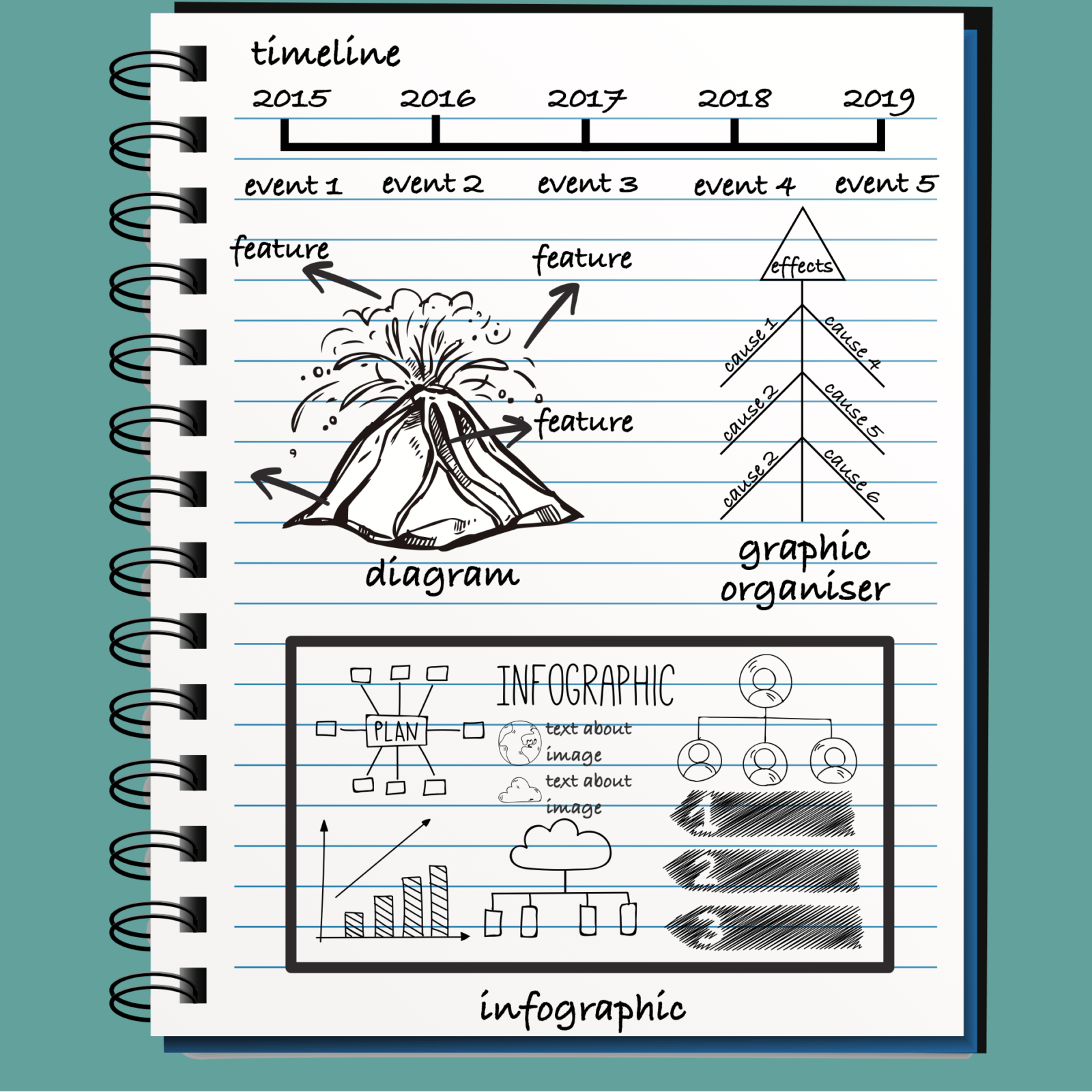
One technique is dual coding, which is where you create two neural pathways by using words and visuals for a single concept. For example, including timelines or sketches in your revision. Dual coding strengthens ideas in your head by adding more ways your brain remembers information.
Mind Maps
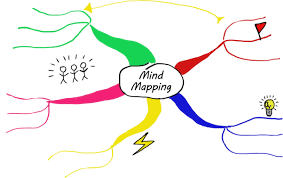
Mind maps are another great revision tool for your long-term memory as it allows your brain to digest a lot of information on a manageable sized page. Keeping all your information on a neat, colour-coded page allows your brain to remember the information in an effective and efficient way.
Teaching
Teaching the content that you are learning to someone else can help you consolidate your knowledge and see where the gaps are in your understanding. Whether you teach a friend, parent or even a pet, this experience gives you the opportunity to develop your understanding.
Flash Cards
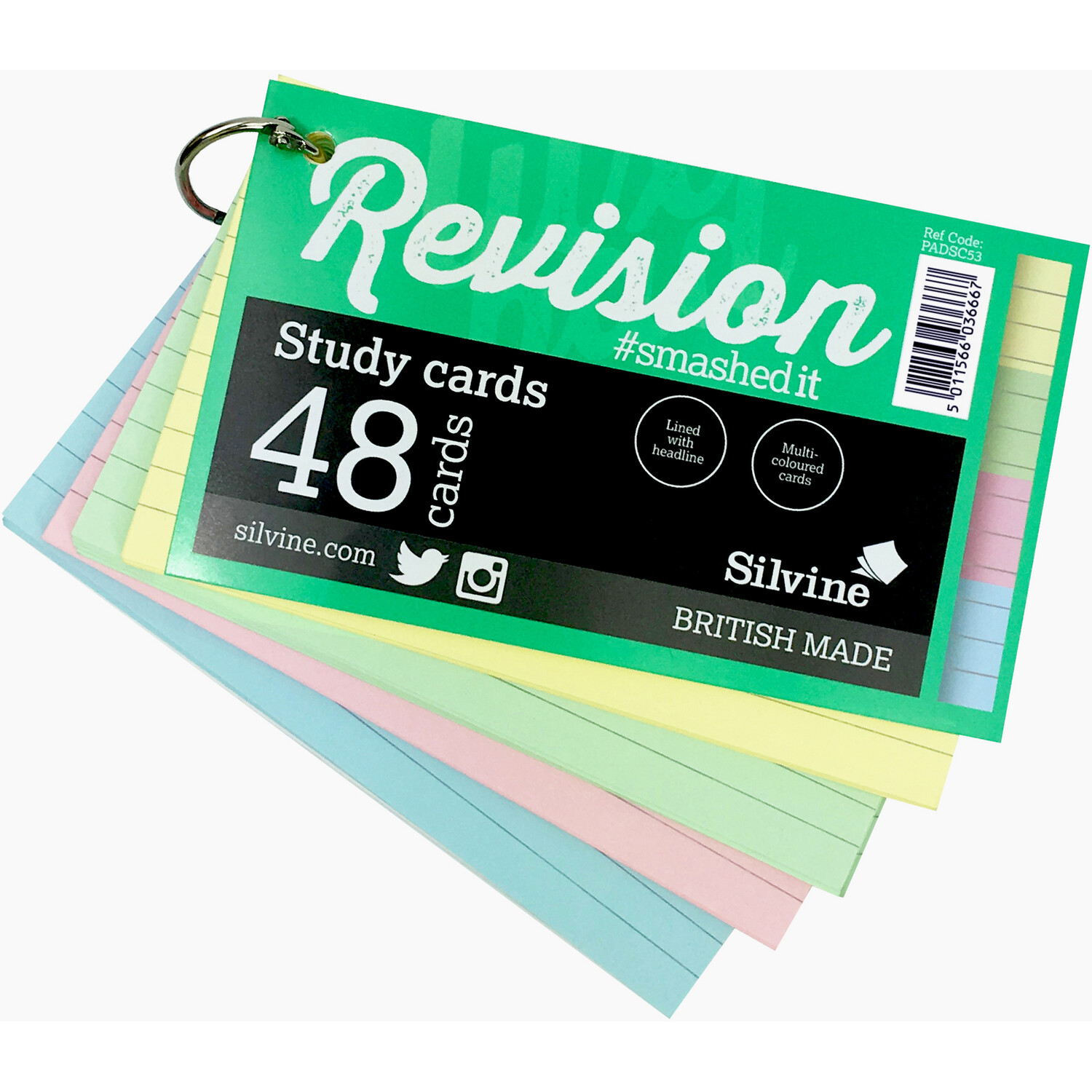
A personal favourite of mine are flash cards, as they can be used for almost every subject. Using flash cards as a way to test yourself on your revision is one of the most active forms of revision and is a fun and effective method.
Practice Questions
Especially for those sitting GCSEs or A-Levels, completing past paper or practice questions is proven to be an incredibly efficient method of revision. It allows you to test your knowledge and understanding, identify any gaps and, is a straightforward way to familiarise yourself with exam technique and the mark scheme.
As a final word of advice, remember that exams are not the be all and end all of your life, so even if these tips and tricks don’t work exactly as you wished, just know that you tried your best and there’s always next time!
By Isabelle Culf