A lobotomy is a discredited form of neurosurgical treatment for psychiatric or neurological disorders that involves severing connections in the brain’s prefrontal cortex. It severs most of the connections to and from the anterior part of the frontal lobes of the brain. Over 20,000 lobotomies have been performed between the early 1940s and late 1970s, but how were they invented?
In 1935, the Portuguese neurologist, Egas Moniz, believed that patients with obsessive behaviour were suffering from fixed circuits in the brain. This would lead to him trialling new treatment methods that would attempt to treat his believed theory, lobotomies.
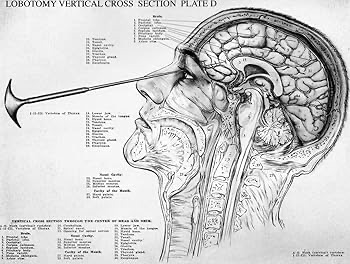
The first lobotomy was performed in December of 1940 by William Sargant at Burden Neurological Institute. While these men thought that they were helping their patients heal, later evidence proved otherwise. The intension of lobotomies was to treat severe neurological conditions such as depression, epilepsy, and bipolar disorder, however, lobotomies have many dangerous side effects. While a minority of patients were able to heal, the vast majority did suffer some kind of side effect.
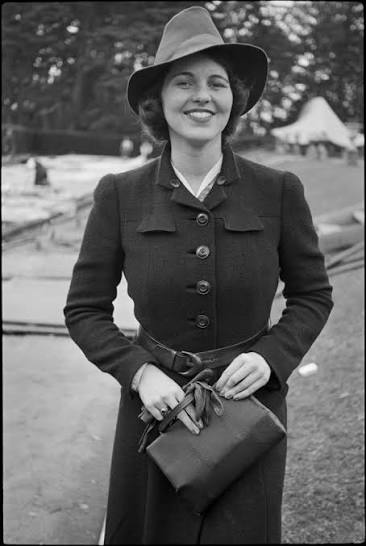
One famous example of a lobotomy is Rosemary Kennedy, Sister of John F Kennedy. As a child Rosemary exhibit sighs of developmental delays. In her early adult years, Kennedy was reportedly “becoming increasingly irritable and difficult.” Fearing for the family’s reputation, her father, Joseph P Kennedy, forced her to have a lobotomy at the age of 23. Unfortunately, the procedure left Rosemary permanently incapacitated and unable to speak. She would spend the rest of her life in St. Coletta, a hospital for those with severe disabilities, until her death on January 7th, 2005, at the age of 86.
The devastating story of Rosemary Kennedy showed us the extreme side effects lobotomies can have and raised awareness to the effects caused from her lobotomy, as she was left unable unable to participate in everyday life and was left institutionalised for the rest of her life.
After realising that lobotomies cause extreme brain damage, they fell out of practice in the mid-1950s, with things such as psychiatric drugs being used as an alternative. It was not until the late 1980s that they were officially banned in the UK. Now many severe mental illnesses, like depression, are treated with medication, therapy, and support.
As time goes by, it is likely that new ways to treat psychological problems will come about. The treatments that we trust today may be ridiculed tomorrow. No matter the times, it is always important to research about new treatments and have the confidence to say no to something that we do not trust for it maybe what keeps us alive in the end.
By Shamailah